Why Is My Cat Vomiting? Owner’s Guide
Finding a mysterious puddle on your favorite rug is a universal cat parent rite of passage. It’s completely normal to feel that sudden spike of worry when you find yourself asking, why is my cat vomiting? Before panic sets in, take a deep breath. Feline digestive systems are remarkably sensitive, and occasional regurgitation is often a manageable quirk rather than a crisis. In this guide, we’ll walk through the most common triggers, help you clearly distinguish between harmless hairballs and warning signs that require professional attention, and share practical, step-by-step advice for selecting the right food and supportive tools. You’ll gain the confidence to make informed purchasing decisions while keeping your companion comfortable and healthy. Let’s transform that everyday anxiety into a proactive, science-backed care routine that truly fits your unique household. While we cover everyday solutions, always remember that persistent symptoms should be evaluated by a licensed veterinarian to ensure your cat’s long-term wellness.
Decoding the Triggers: When It’s Normal vs. When to Act
Cats are notorious for their sensitive stomachs, and figuring out why is my cat vomiting starts with carefully observing the pattern. If your companion occasionally coughs up a neatly formed hairball after a thorough grooming session, it’s usually just a normal digestive reflex. However, if the episodes happen multiple times a week, or if you notice undigested food, yellow bile, or unusual colors, it’s time to look closer. Dietary changes, eating too quickly, or mild food intolerances are frequent culprits. A highly effective strategy is maintaining a simple symptom journal for two weeks, tracking exact meal times, specific food brands, and vomit consistency. Tracking these details helps you identify hidden patterns that casual observation might easily miss. This organized data becomes incredibly valuable during veterinary consultations. If you want to compare different dietary approaches or find reliable tracking templates, try searching for ‘feline gastrointestinal symptom checklist’ to discover practical, printable resources. Always prioritize professional medical advice if your cat displays lethargy, sudden weight loss, or refuses water for more than twenty-four hours.
Smart Dietary Swaps for a Calmer Stomach
Nutrition plays the starring role in digestive comfort, and the answer often lies directly in their daily bowl. When managing frequent upset, high-protein, limited-ingredient formulas are frequently recommended by experts for sensitive felines, as they minimize exposure to common fillers like corn, soy, or artificial preservatives that can trigger mild intestinal inflammation. Always check for AAFCO compliance labels to guarantee nutritional adequacy. Look for reputable brands featuring hydrolyzed proteins, easily digestible carbohydrates, or added prebiotics that gently nourish the gut microbiome without overwhelming it.
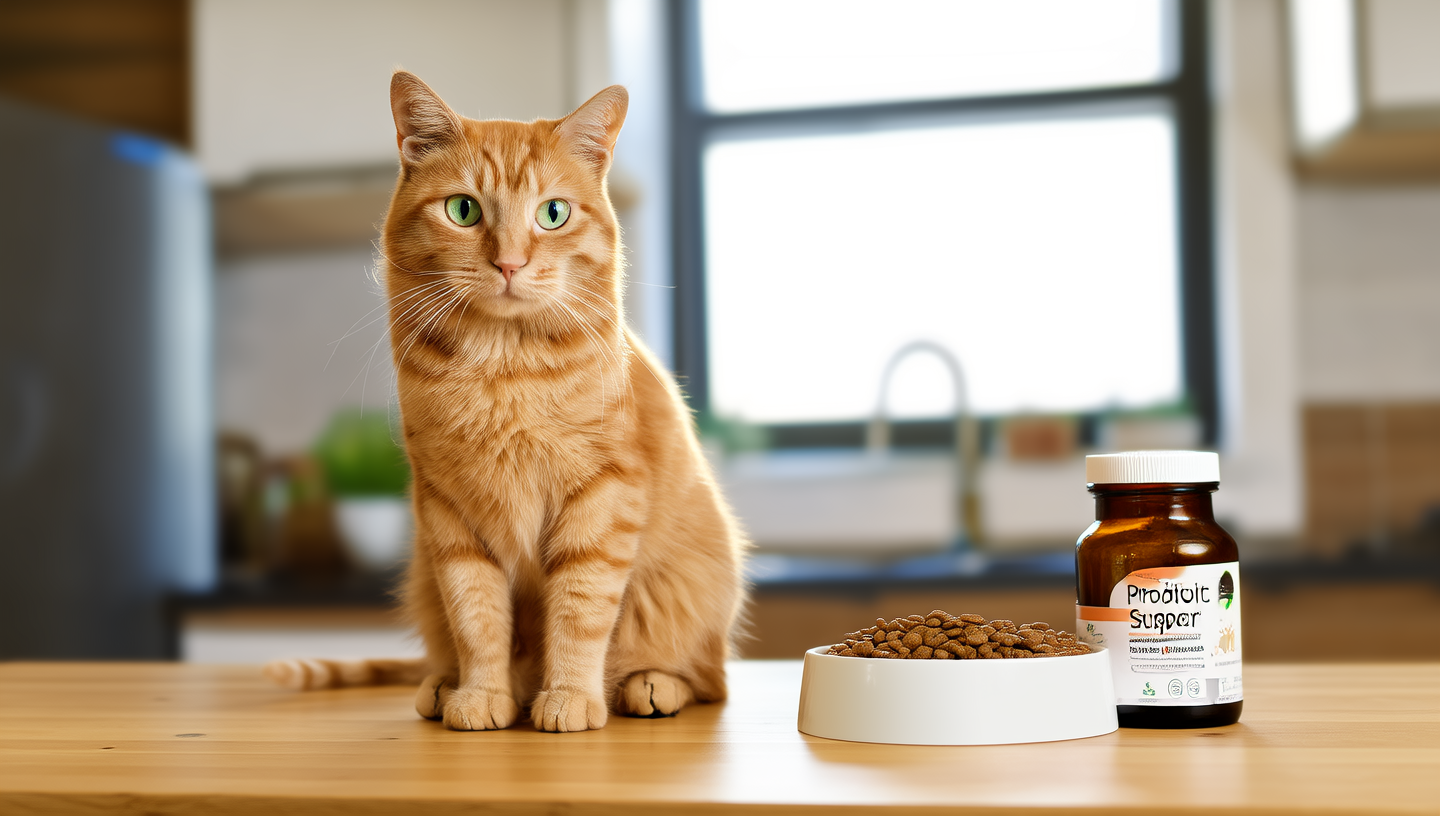
Transitioning to any new diet should always be gradual, spanning seven to ten days, to prevent sudden digestive shock. Many experienced owners find immense value in reading detailed customer feedback before purchasing specialized digestive support foods or daily probiotic blends. If you’re ready to explore highly-rated gentle kibble options or veterinarian-recommended supplements, browsing verified buyer reviews and ingredient breakdowns on Amazon can help you compare real-world results and ensure transparency. Remember, consistency is absolutely key, and abrupt brand switches often cause more distress than they resolve.
Everyday Tools That Make a Difference
Beyond food selection, your feeding environment and daily tools significantly impact overall digestive stability. Fast eating is a surprisingly common reason cats regurgitate, making elevated feeders and interactive puzzle bowls excellent investments for any household. These specialized tools naturally slow down consumption, drastically reduce air swallowing, and promote mindful, stress-free eating habits. A calm environment during meals encourages proper digestion and reduces post-meal discomfort. Additionally, high-quality grooming brushes can dramatically cut down on hair ingestion, which is especially crucial during seasonal shedding periods.
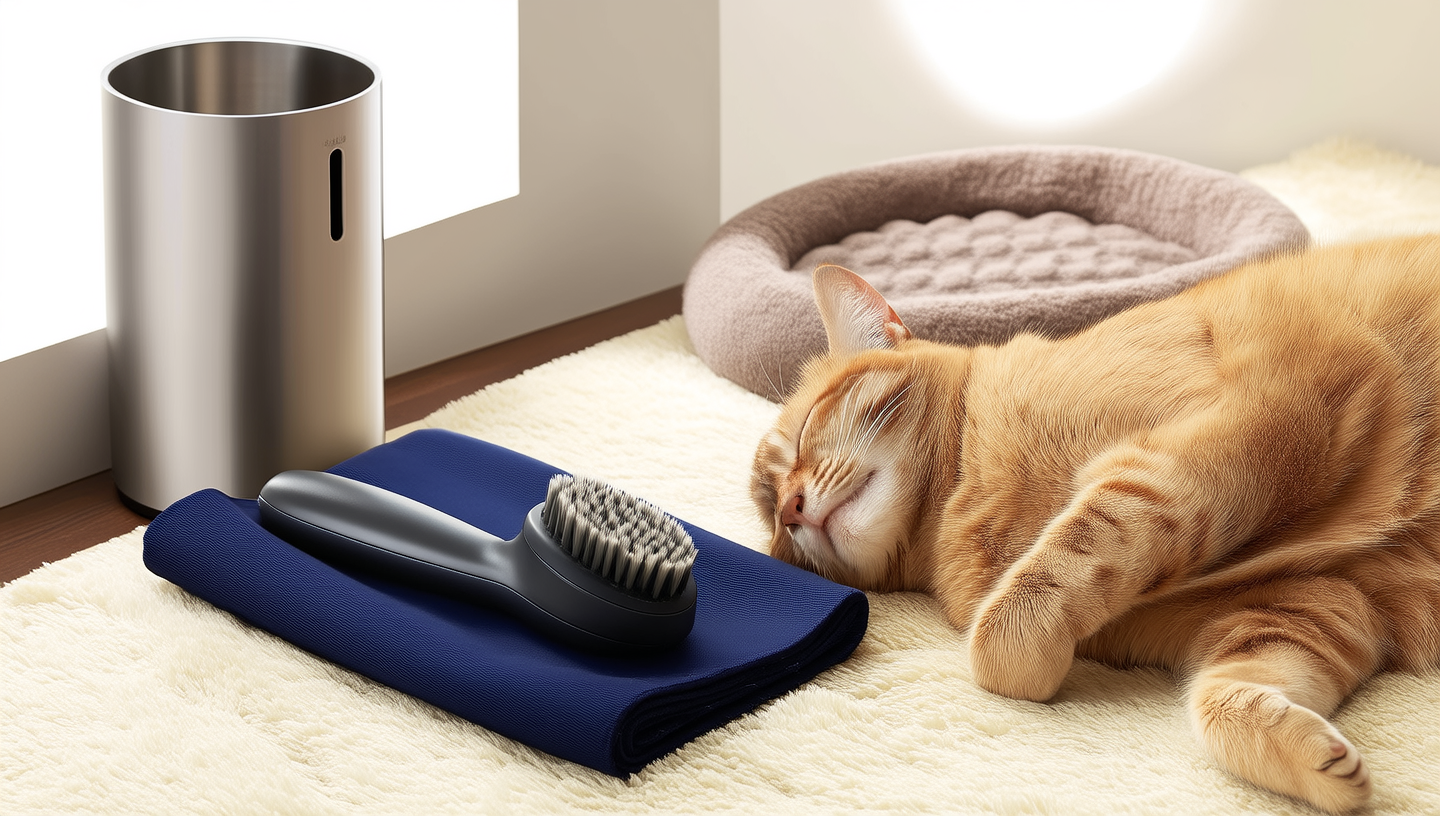
Pairing regular brushing with a dedicated, easy-to-clean grooming mat keeps your living space tidy while keeping your cat’s digestive tract lighter. If you’re uncertain which brush type best suits your cat’s specific coat length, consider testing a few ergonomic options during relaxed grooming sessions to see which minimizes pulling and collects loose fur most efficiently. Consistent, gentle grooming not only prevents stubborn hairballs but also strengthens your daily bond.
Top Recommended Cat Supplies (Amazon)
Building a Resilient Routine for Long-Term Health
Preventive care remains far more effective than reactive troubleshooting, especially for sensitive digestive systems. Establishing a highly consistent feeding schedule, closely monitoring daily water intake, and actively reducing environmental stress are foundational steps that every responsible owner should prioritize. Cats thrive on predictability, and sudden changes in household routines or loud noises can easily manifest as physical stomach upset. If you share your home with multiple pets, providing completely separate feeding stations minimizes resource competition and eliminates anxiety-related gulping. Documenting minor changes in litter box habits also provides crucial clues for your vet. Regular wellness check-ups, even when your companion appears perfectly healthy, allow early detection of underlying dental disease, kidney shifts, or metabolic changes that could silently trigger vomiting later. Keep a small stash of vet-approved hydration supplements for mild dehydration episodes, and always consult your licensed veterinarian before introducing any new dietary additive or behavioral intervention. Proactive habits today guarantee fewer health surprises tomorrow.
While occasional hairball vomiting can be normal, frequent episodes or vomiting accompanied by lethargy, weight loss, or changes in appetite require veterinary investigation to rule out gastrointestinal disease, metabolic disorders, or dietary intolerances.
— International Cat Care (cats.org.uk)
Navigating digestive hiccups can feel overwhelming, but understanding why is my cat vomiting empowers you to respond with confidence rather than panic. By carefully tracking symptoms, selecting high-quality, easily digestible foods, and investing in supportive feeding tools, you create a stable environment that promotes long-term gut health. Remember that every cat is unique, and what works for one may need adjustment for another. Consistency, patience, and professional guidance are your best allies in managing occasional upset. If you notice persistent patterns or behavioral changes, never hesitate to reach out to your trusted veterinarian. With mindful observation and proactive care, you’ll keep your feline friend comfortable, happy, and thriving for years to come. Start implementing these gentle adjustments today and watch their well-being transform.