Vomiting is one of the most common health concerns cat owners face, and frequent episodes can signal serious underlying issues. According to Cats Protection (cats.org.uk), occasional vomiting may be normal, but repeated sickness requires immediate attention to protect your cat’s long‑term health.

Common Causes of Cat Vomiting
1. Hairballs
Long‑haired and indoor cats often vomit hairballs from self‑grooming. Cats Protection states this is the most harmless cause for short‑term vomiting. Excessive grooming from stress or seasonal shedding worsens hair buildup in the digestive tract.
2. Dietary Issues
Sudden food changes, spoiled meals, or eating too quickly irritate a cat’s stomach. Many cheap cat foods contain fillers that trigger upset digestion in sensitive felines.
3. Parasites & Infections
Worms, bacterial infections, or viral diseases like cat flu can cause vomiting, especially in kittens and outdoor cats.
4. Serious Health Problems
Kidney disease, pancreatitis, and urinary tract infections are life‑threatening causes of persistent vomiting in adult and senior cats.
Safe Home Remedies for Mild Vomiting
- Withhold food for 2–4 hours but keep fresh water available
- Feed small portions of easily digestible wet cat food
- Use hairball‑control treats and specialized cat food to reduce future episodes
- Brush your cat daily to remove loose fur
When To Visit The Vet
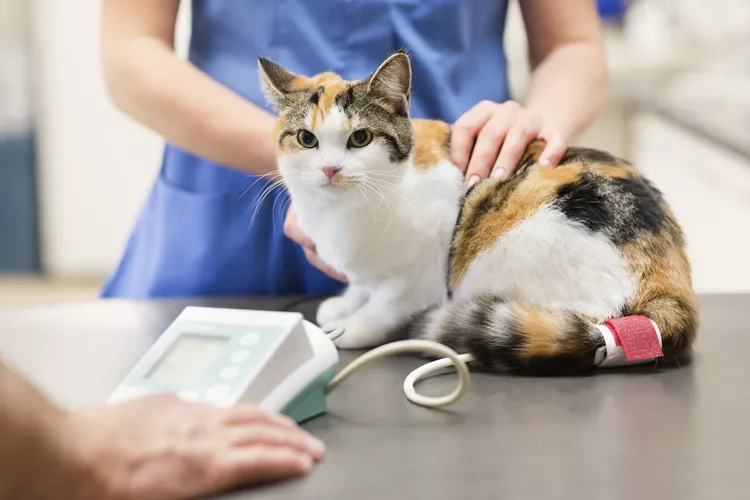
Contact your veterinarian if vomiting lasts more than 24 hours, your cat refuses water, shows lethargy, or has blood in vomit. Cats Protection strongly advises against self‑medicating cats with human medicines.
Recommended Products for Vomiting Cats
For hairball prevention and sensitive stomach support, we recommend high‑quality wet cat food and hairball supplements available on Amazon. These products follow feeding guidelines approved by pet health experts.
Top Recommended Cat Supplies (Amazon)
Final Thoughts
Most vomiting episodes are minor, but consistency is key. Regular grooming, stable diet, and vet check‑ups keep your cat healthy and reduce vomiting risks long‑term.